
What Builder References Are Best (and What to Ask)
Most builders can show you a portfolio of finished homes and a list of happy clients. Those clients can tell you a great deal about the experience. But if you’re deciding who to trust with your home and your budget for the next couple of years, there’s another conversation worth having: someone who’s working with that builder right now.
A client who moved in five years ago can tell you how much they love their home. Someone halfway through construction can tell you what it’s like to work with the builder every week: whether decisions are organized, whether work keeps moving and how budget changes get communicated. They can also tell you what happens when something doesn’t go to plan and how the builder righted the ship.
That conversation matters more than most people expect. A custom build usually means a year of planning and a year of construction, so you’ll be working side by side with your builder for a long time. Checking references is on every list of things to know before your custom build, and knowing who to call is what makes it useful.
Who to call
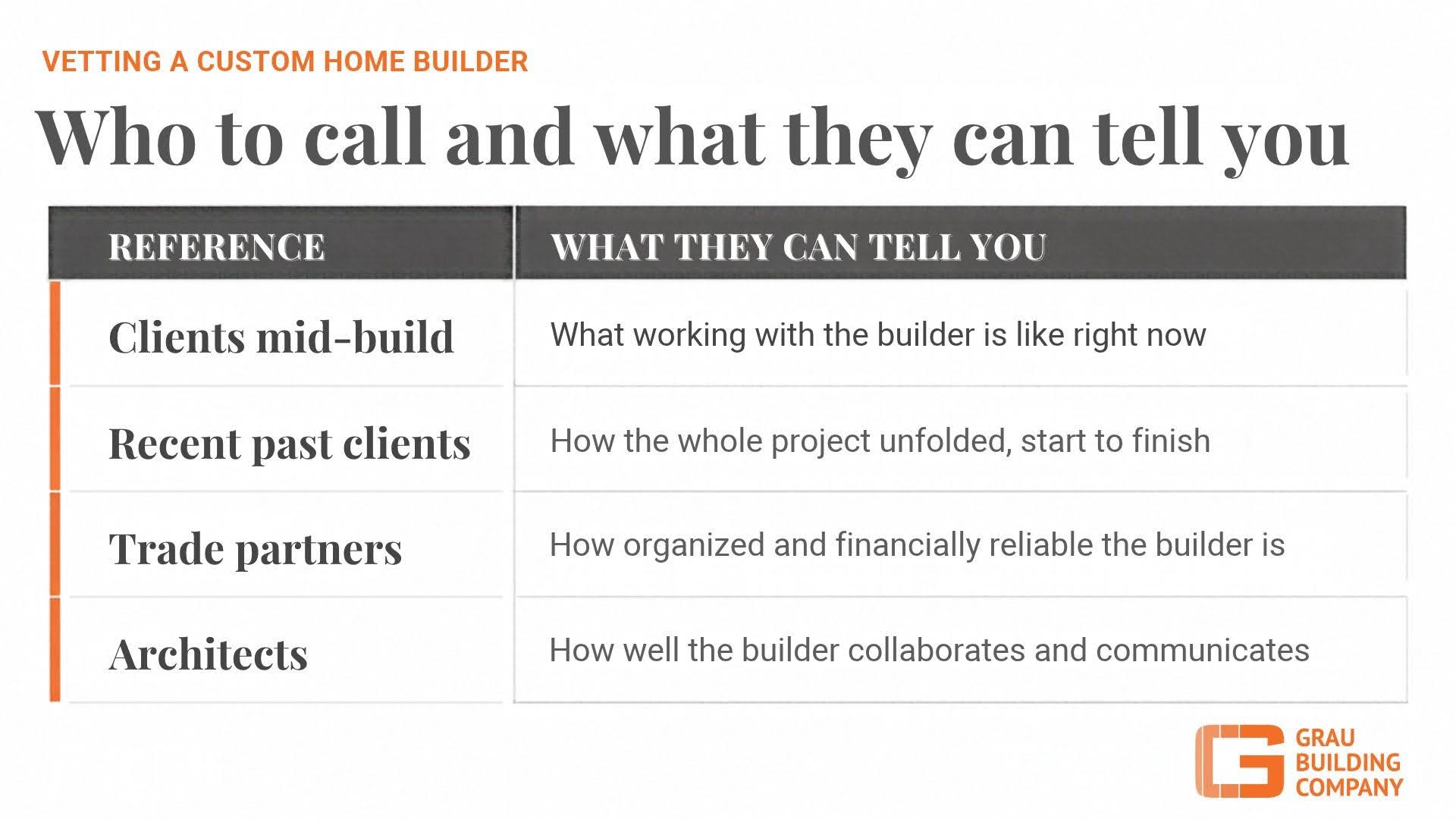
When you’re choosing a custom home builder, we’d suggest four kinds of references. Each one sees a different side of how a builder works.
Clients who are building right now
We’d ask anyone comparing builders to talk to a couple of clients who are in the middle of a build. They’re living the weekly meetings, the schedule and the budget updates, so they’ll talk more about the process than the finished product. It’s also a fair test of the builder. One who’s confident in their process will let you hear how things are going, bumps included. If the builder overpromised and is underdelivering, you’ll hear about that too.
Recent past clients
Talk to at least two clients who finished recently, too. They went through all of it, from the highs and lows to every selection and every bill. They can tell you whether the builder followed the plans, kept them informed and kept changes from going off the rails, and most will happily share where they’re glad they splurged and what they’d do differently.
Recent is the important word. Time heals all wounds, and someone who moved in five years ago may not remember the details. The process they went through may also look different from the one the builder uses today, so a reference list made up entirely of older projects tells you less than it seems to.
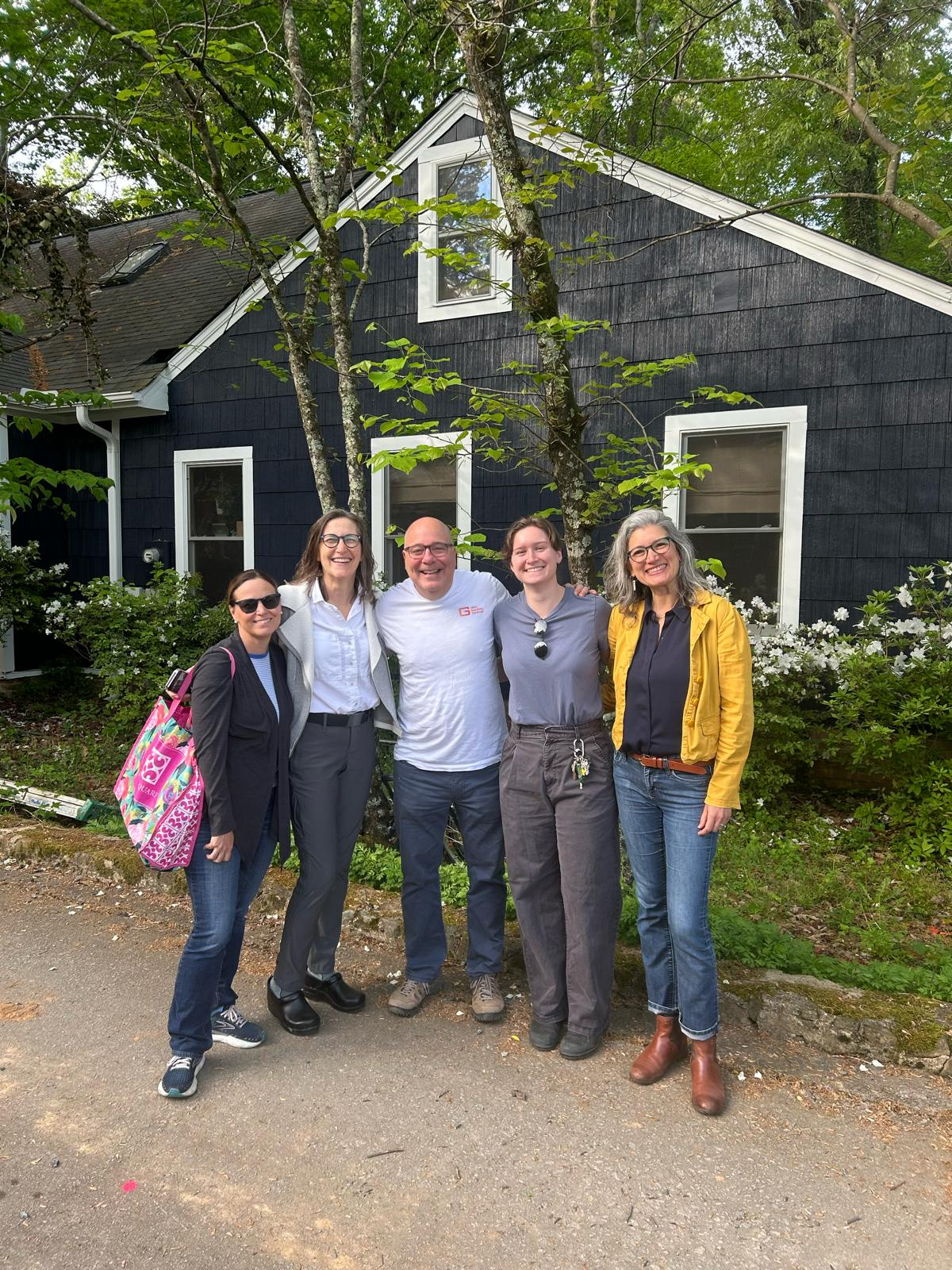
The GBC team with the homeowners outside their gray-shingled cottage before work began.
Trade partners
Trades see a builder from the inside, which makes a call or two worthwhile. Start with whether the builder pays on time. A custom home is a long project, and cash flow can be an issue on big jobs, so a builder who pays the trades on time is a builder whose trades show up on time. Trades can also tell you how thorough the site supers are, whether the project managers check in daily and how subs are treated on the job, down to whether the builder’s documentation, photos and markings make their work easier.
Architects
Architects see the collaboration behind a build: how the builder communicates, manages the project and works with the people bringing the plans to life. They may also hear feedback from homeowners that doesn’t make its way back to the builder. That perspective can be especially valuable when you’re trying to understand how a builder handles challenges.
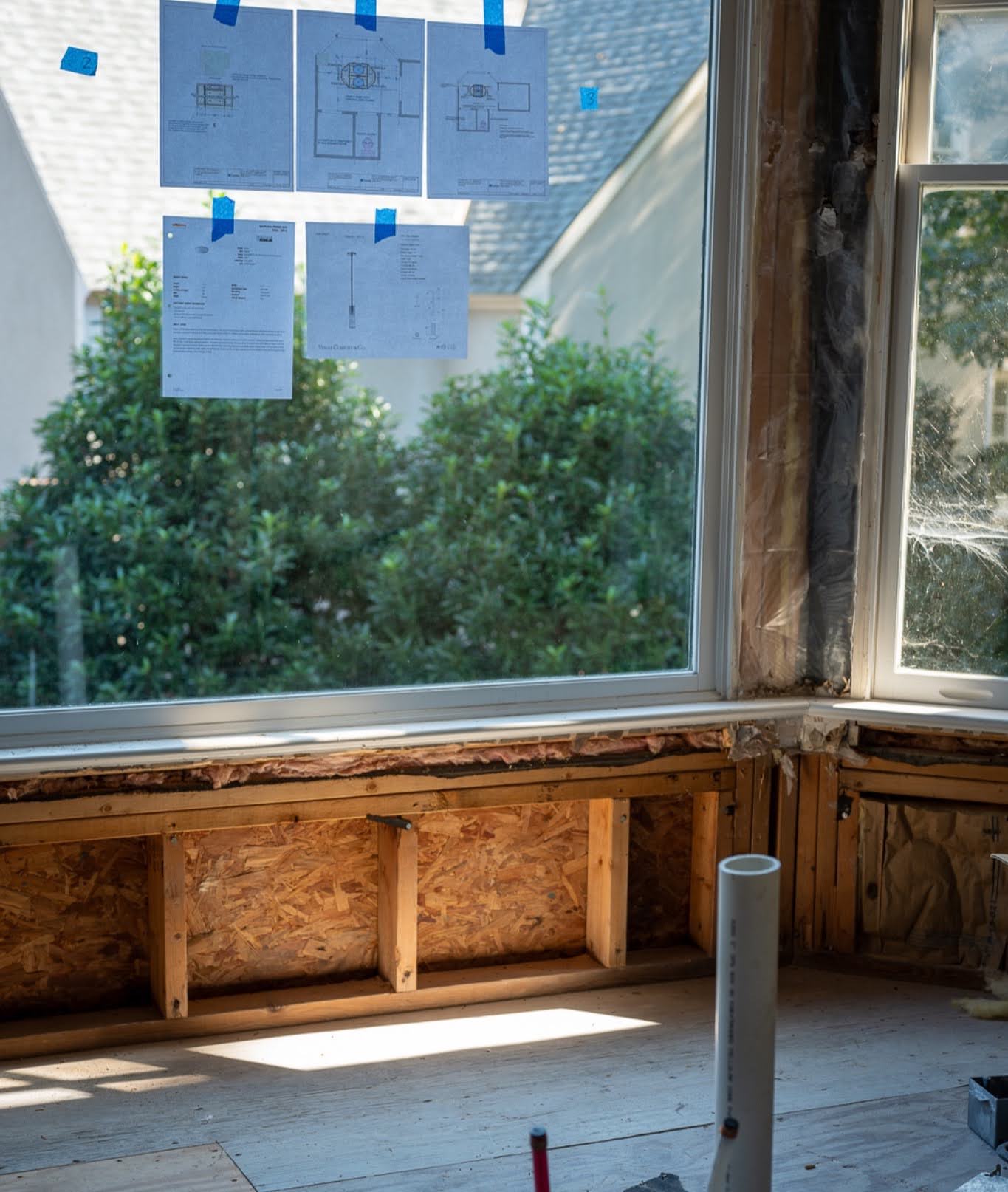
On job sites, plans and specs are posted right where the work happens. Organization on site is intentional.
What an active job site tells you
If you can, see a build in progress in person. We take prospective clients to active projects all the time, and sometimes the homeowners are there too. On a live site you can see construction methods, finishes and materials up close, and you get an honest sense of the process. Building is dusty and loud, and seeing that ahead of time sets realistic expectations.
Pay attention to how the site is kept, because a disorganized job site usually means a disorganized builder. When you can walk through a job without tripping over anything, that’s intentional. Keeping a site organized takes time, effort and money, and a good builder treats it as part of the finished product.
Red flags
Most builders post a sign in front of their job sites. If you see one in your neighborhood, ask the builder whether you can talk to that client about how it’s going. One “I’d rather not” may just mean the homeowner asked for privacy, but if the answer is consistently no, that’s worth paying attention to.
The same goes for a reference list where you can’t tell who these people are, when they built or what kind of project it was. Trust your instincts on the call itself, too. If a reference sounds more like the builder’s cousin or mom than a client, keep looking for people who can give you a current, unfiltered picture.
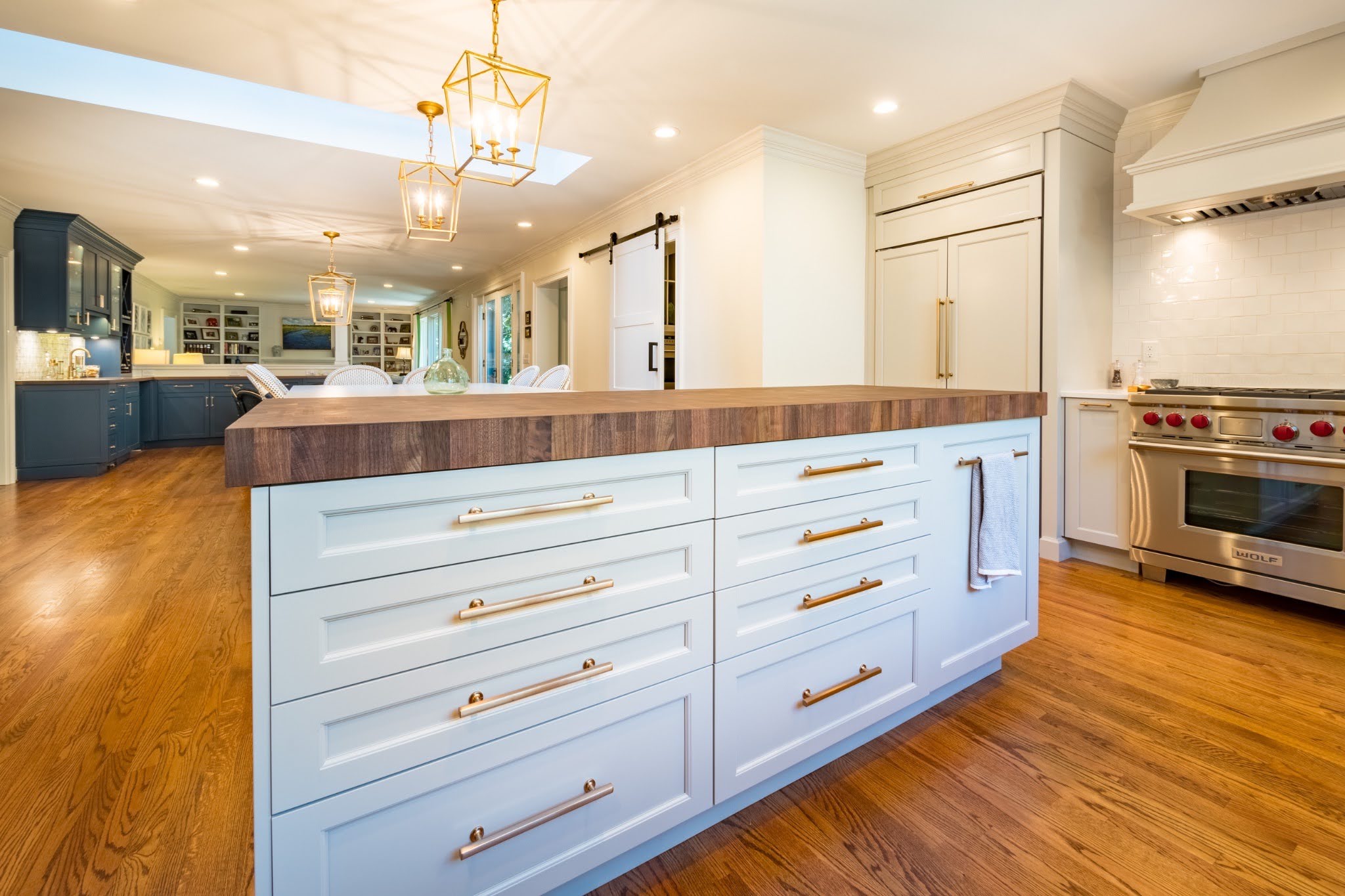
A custom kitchen by Grau Building Company. Ask recent clients where they’re glad they splurged, and you’ll learn a lot from the answer.
How we handle references at GBC
When someone asks us for references, we pick a few clients and projects that line up with the style of home they’re planning, and we’ll often take them to see one in person. We’d encourage you to do this early in the process, when your plans may not be finished but you understand the project well enough to ask good questions.
Questions to ask builder references
Asking whether someone was happy with their builder is a starting point. These questions will tell you more about the experience.
For clients, mid-build and recent:
☐ Were most selections and decisions made before construction began, or are you regularly asked to make last-minute choices to keep the project moving?
☐ Has work sat for a while between phases, or are there people on your job site every day?
☐ How has the builder done with the budget?
☐ When there were overages, how and when did you hear about them?
☐ Do you feel like you have control over the process?
☐ Does the builder follow the plans and keep you informed about changes?
☐ Where are you glad you splurged, and what would you do differently?
For trade partners:
☐ Does this builder pay on time?
☐ How organized are the site supers and project managers?
Whether you’re talking to us or another custom home builder in Durham, NC or across the Triangle, asking the right questions now can tell you a lot about the experience ahead. The answers matter, but so does the willingness to let you ask.